

Your opening scene sets the tone, genre, and pacing right away. It’s like a welcome sign that tells readers, “Here’s what this story is about, and here’s how you should feel.” Books don’t get to have trailers and marketing like a movie or game would.
All authors get to market their skills and story with are the first parts of their novel that the readers will go through. These are going to set the tone, let readers know what to expect, and what your writing style is like.

Why a strong opening scene is important
A good first chapter can make someone feel invested in your characters’ lives almost immediately. Most great books have a great start that hooked readers in on the first go. Like Gone Girl by Gillian Flynn. It starts with a dark and probing note that immediately cues readers that this isn’t just a story about a missing person; it’s a layered psychological thriller filled with secrets and lies.
High stakes of capturing the reader’s attention
In today’s market, people are busier than ever. They might rush the first page in a bookstore, glance at a Kindle sample, or flip through an online preview. Those first few paragraphs are all that most people nowadays are willing to go through to decide if your story is worth it or not. If the opening fails to catch their attention, they might move on to something else.
While we’re on the subject, the same thing goes for lots of publishers and agents too, unless you have some great connections. They receive stacks of submissions and are looking for manuscripts that hook them early, so a sluggish or unclear opening could land you in the rejection pile. That first scene is your chance to stand out. No pressure, right?
Elements of a strong opening scene
Genre clarity
If you’re writing a fantasy, show a hint of magic or an otherworldly setting. If it’s historical fiction, convey the time period through details like clothing or architecture. Let the reader know the type of journey they’re embarking on right from the start.
Tone and pacing
Decide if your story opens with a burst of action or a quiet sense of foreboding. If it’s fast-paced, give us that energy. If it’s a slow-burn mystery, build tension subtly. This sets the rhythm for what follows.
Character introduction
Even if you don’t reveal your protagonist’s entire backstory, offer enough of their personality or circumstances to draw interest. Maybe they’re dealing with a personal crisis, or they have a peculiar hobby. Give readers a reason to root for (or question) them.
Emotional pull
A strong emotional hook gets readers invested. It might be fear, love, curiosity, or a sense of awe. If they feel something, they’ll be more likely to keep reading.

Techniques
Start with intrigue or mystery
Posing a question right away can hook a reader’s attention. Herman Melville’s “Call Me Ishmael” from Moby-Dick is simple yet makes us ask, “Who is this Ishmael, and why is he telling me his story?” An air of curiosity can be enough to carry someone through the next pages.
Introduce action or conflict
Another approach is to launch right into a tension-filled situation. Think of The Hunger Games, where Katniss is already dealing with survival in a harsh environment. By the end of the first page, we know we’re in a world of limited resources, looming threats, and strong emotional bonds.
Set up a unique voice or perspective
If your narrator is distinctive, their personality can be as compelling as any car chase or gunfight. Holden Caulfield in The Catcher in the Rye opens with an irreverent, personal tone that sets the stage for the entire novel.
Create something emotional
Sometimes a gripping emotional moment – like a tragic goodbye or a shock reveal – instantly pulls readers in. They want to know how the character will handle what’s unfolding, and that curiosity keeps them turning pages.
Compelling first line
The first line is more than just your novel’s opening words. It can be the hook that reels readers in from the get-go. Great first lines often stand out because they’re vivid, surprising, or emotionally charged. Gabriel García Márquez starts One Hundred Years of Solitude with a memorable line about Colonel Aureliano Buendía facing a firing squad.
It immediately puts readers in a surreal and dramatic setting while setting the tone for the story. Whether you choose to open with a punchy statement, an ironic observation, or a puzzling piece of dialogue, make it count. Keep it short, strong, and true to your story’s essence.
Introduce key elements
Once you’ve grabbed attention with a powerful line or scene, it’s time to ground your readers:
Setting
Give enough sensory detail so people know where they are: time period, location, maybe even the season or the mood. If your setting is fantasy, hint at its magic or culture early on.
Character
Show us who we’re following, even if it’s just a glimpse. Are they anxious, hopeful, suspicious? A character’s mood or actions can convey a lot about what’s at stake for them.
Conflict
The tension doesn’t have to explode right away, but we should sense that something important is brewing. Maybe it’s a murder about to happen, a secret about to be revealed, or an upcoming tournament that the hero can’t afford to lose.

Foreshadow or raise the stakes
Sprinkling hints about bigger issues down the line can keep readers on edge. A mysterious letter arrives but no one opens it. A map is introduced with an area circled in red. A character has a strange scar they refuse to talk about. These small details can be the breadcrumbs that urge a reader to say, “I need to find out more.”
Let them know that the best (or worst) is yet to come, so they have a reason to stay invested. At the same time, establish why this matter is so crucial. If the hero doesn’t solve the riddle or pass the trial, what’s at risk? Show readers the stakes early, and they’ll want to see how it all plays out.
Tips
Experiment with starting points
Don’t feel locked into chronological order. Sometimes it’s more impactful to open in the thick of the action, then loop back to earlier events. Try different beginnings (maybe a flash-forward or a moment of high drama) and see which one feels strongest.
Use dynamic imagery
Paint a picture with sensory details. Let readers hear the bustling marketplace, smell the gunpowder, or feel the biting chill of winter wind. Concrete images can anchor them in the moment.
Develop a hook that aligns with the story’s core
If your main theme is about love versus duty, maybe you open with a moment that forces your protagonist to choose between these two. If it’s about revenge, show a short scene that reveals deep-seated anger or hurt.
Examples of strong opening scenes
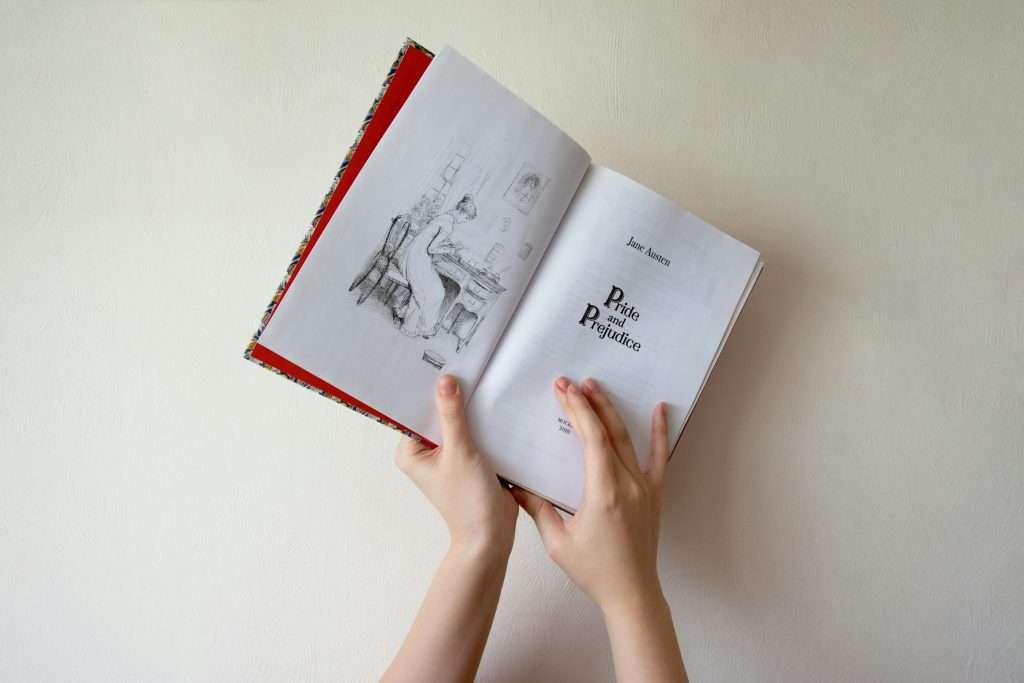
Pride and Prejudice by Jane Austen
Jane Austen’s famous first line – “It is a truth universally acknowledged…” – is witty, setting up the novel’s social satire and the theme of marriage and status. Readers know they’re in for a story with keen observations on class and courtship.
The Great Gatsby by F. Scott Fitzgerald
F. Scott Fitzgerald starts with Nick Carraway’s reflections on his upbringing and how he learned not to judge people. This quiet introspection makes you curious about the narrator’s perspective, hinting at a tale of luxury, disillusionment, and complex social circles.
The Night Circus by Erin Morgenstern
The book opens with an atmosphere of mystery, describing the circus’s sudden appearance and magical allure. This draws you in with a sense of wonder, preparing you for a story where the line between reality and enchantment blurs.
Big Little Lies by Liane Moriarty
The very first chapter reveals a tragic event, but it’s told from an outside viewpoint, leaving details frustratingly unclear. This immediate intrigue sets the tone for a blend of domestic drama and psychological tension.
Things to avoid
Information overload
Steer clear of massive backstory dumps right from the start. If you bog readers down with too many names, dates, and histories, they’ll lose interest or get confused. Save deeper exposition for when it becomes relevant.
Cliche openings
Think twice before starting with an alarm clock buzzing, a dream sequence, or a character staring at themselves in a mirror. These tropes are way too overdone and don’t offer fresh insight or immediate conflict most of the time. Go for an opening that speaks directly to the core of your story instead.
Lack of clarity
While you don’t want to reveal everything, you should give readers enough information so they aren’t totally lost. Too much vagueness, where they don’t know who the main character is, where the scene takes place, or what’s at stake, can push them away.