
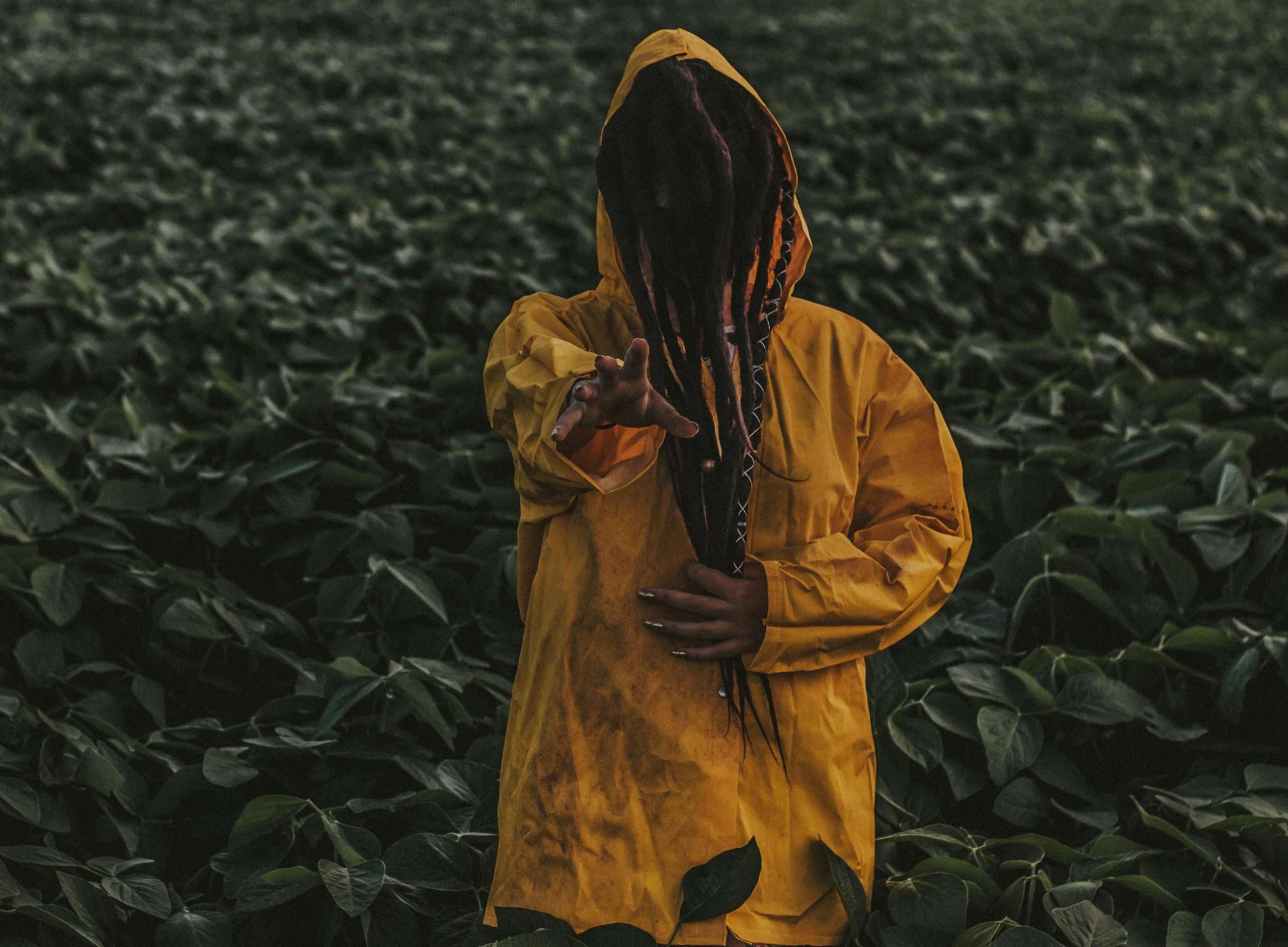
When you think of monsters, what comes to mind? A fire-breathing dragon perched atop a hoard of gold? A zombie staggering through the night in search of flesh? Or maybe it’s something closer to reality, like an outbreak of disease or a man-made disaster. In fiction, monsters are more than just creatures of chaos — they’re forces that disrupt normality, reflect our deepest fears, and push your story forward.
If you’re here, you’re probably thinking about creating a monster for your own story. But how do you make it memorable? Let’s walk through the essential steps to writing monsters that captivate, terrify, and feel like they belong in your fictional world.
What are monsters?
At their core, monsters are anything that interrupts the patterns of everyday life, plunging the characters (and often the reader) into uncertainty and fear. They’re often freaks of nature or the tragic results of man-made experiments gone wrong. What they all share is their ability to generate fear — of death, of suffering, or simply of the unknown.
But monsters don’t have to be hideous, clawed beasts. They can embody real-life threats, such as viruses or environmental disasters, making their impact all the more chilling.
The qualities of a monster
A monster’s defining traits often lie in its appearance, actions, and mindset. Picture something grotesque, with misshapen limbs or an unnatural gait, and you’ve got a classic creature. Add in destructive tendencies or an amoral purpose, and you’ve got the makings of fear.
But monsters aren’t scary just because they look hideous. It’s their ability to instill terror that makes them unforgettable. They make your characters’ hearts race, hands shake, and create an overwhelming dread of dying in a terrible way.
Why write monsters?
Monsters aren’t always villains. Sometimes, they’re a mirror reflecting the dark sides of your characters or the world they inhabit. They might even represent real-life fears or threats, abstracted into something larger-than-life.
Unlike a traditional villain with deliberate motives, monsters often act as a force of nature. They’re unpredictable, amoral, and destructive. They often act out of instinct or because of circumstances beyond their control. The things that happen because of a monster’s actions are often the same as the unfortunate consequences of a natural disaster.
That said, giving your monster intent can add a layer of complexity and blur the lines between creature and villain.
Creating the perfect monster
Writing a great monster requires answering some key questions:
What is it?
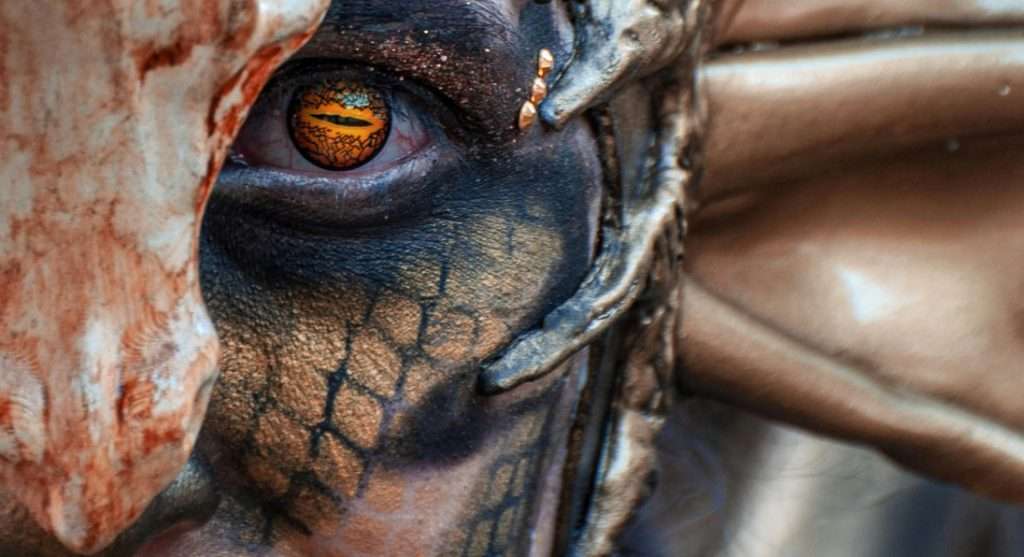
Is your monster a mythical creature, an alien being, or something that defies categorization? What does it look, smell, and sound like? A monster’s physical traits, whether it’s dripping fangs, glowing eyes, or a bone-chilling howl, set the stage for fear.
But don’t stop at appearance. Think about its presence. Does it communicate, or is its silence more chilling? Is it a spirit, an undead creature, or something living? Even if the characters can’t see it, what do they sense?
When developing your monster’s features, think about what makes it stand out and how that affects the plot. What if its heart is in its foot? That would affect how to kill it. What if it only needs two hours of sleep a night? It will be refreshed quicker than your characters will, which will slow them down and let the monster overtake them eventually.
What does it want?
Monsters shouldn’t exist “just because.” Treat your monsters just as you would any other character in your story. Give them needs and wants. Specifically, make them react to not getting what they need or want.
Whether they’re wreaking havoc out of instinct or targeting specific individuals, their behavior should feel justified within the story. Are they hunting for food? Defending their territory? Driven by revenge or a curse?
How is it dangerous?
A good monster has strengths and weaknesses that make it a formidable yet beatable foe.
Its abilities are what make it a threat. Physical strength, heightened senses, supernatural powers like camouflage or super strength – these traits keep your readers hooked as your characters struggle to survive.
But don’t forget limitations. Weaknesses make monsters more realistic and give your protagonist a fighting chance. Is it vulnerable to silver like werewolves? Does sunlight weaken it? Even something as mundane as a lack of endurance can count as a weakness.
How does it fit into your world?
Is your monster a known legend or a shocking discovery? Does the society in your story fear it or dismiss it as myth? Where did it come from? Why, exactly, is it feared? Knowing this information grounds the monster firmly in your setting and gives it a sense of belonging.
Purpose in the story
Monsters shouldn’t just exist for shock value. They need to serve a purpose in the story. Maybe it forces the protagonist to confront their own flaws or unearths secrets about the world. Perhaps it creates conflicts between characters who disagree on how to handle the threat.
Ask yourself why a monster is necessary for this particular story and how it moves the plot forward. By making the monster integral to the plot, you make sure it has a purpose beyond making the reader scared. Otherwise, your story would do just as well without a monster.
Writing your monster
Timing is everything when it comes to monsters. To start writing about it, consider when to introduce your monster to the story. You could introduce it early to establish the stakes, or you might prefer to build tension by dropping hints (shadowy footprints, eerie sounds, or quick glimpses).
The key is to keep both your characters and readers guessing. Fear thrives on the unknown, so leave gaps in your descriptions for the reader’s imagination to fill in.
The unknown is a powerful tool. Don’t let your reader or characters know too much about the monster for most of the story. And, if possible, try to leave gaps of information and descriptions about the monster to make it truly terrifying – however your readers fill the gaps, it is much scarier than whatever you could tell them.
Things to keep in mind
Big monsters aren’t always the scariest
When it comes to creating monsters, bigger isn’t always better. A giant kaiju or a massive dragon might be awe-inspiring, but size alone doesn’t guarantee terror. Some of the scariest monsters out there are small enough to crawl into your nightmares (literally).
Smaller monsters bring fear home in a way that giants can’t. They can hide in the places you thought were safe: under your bed, in your food, or even in your own body. Sometimes, the tiniest threats are the ones that stick with us the most.
Drawing on monster lore for inspiration
Many iconic monsters have roots in mythology, folklore, or history. If your monster draws from an existing archetype, make sure you find all the research materials you can on the topic so you’re familiar with its cultural context, any variations it has, and find ways to add your own spin. Read its Wikipedia page and go through the citations at the bottom; visit your local library; find an expert – do whatever you need to do to know your monster well enough to write them as if they were real.
Monsters = fears
Scary creatures are typically physical manifestations of actual fears. The dread of being watched, the terror of losing control, the horror of the unknown.
The best way to make your monster resonate is to look at yourself. What are you afraid of? Chances are, a lot of your readers are afraid of the same thing, to some degree. Using your personal experience and fear to craft your monster will make it feel that much scarier.
Defeating the monster
Stop and consider this before you do anything: does your monster need to die? Some monsters are sympathetic figures. Others don’t mean to hurt your characters.
If you figured out your monster’s motivation in the development stage, you can examine now if their intentions paired with their actions is deserving of death. Does the plot call for it? Is it inevitable or somehow necessary?
If you decide that it does need to die, think about how. Make sure the method ties in with the worldbuilding and makes sense for the type of monster you have.
Bringing fear to life
Creating monsters isn’t just about scaring your audience – it’s about exploring themes, challenging characters, and keeping readers on the edge of their seats. Whether your monster is a towering dragon, a swarm of bugs, or an unseen force lurking in the shadows, its presence should ripple through every part of your story.
So, what kind of monster will you create? A creature born from your deepest fears? Or one that reflects the chaos and unpredictability of the world around us? Whatever you choose, make it unforgettable.