

Stories have always helped people make sense of the world. Back in ancient times, myths and folktales were how people explained natural events, like why the sun rises, why storms happen, or what makes someone brave. These stories taught lessons, passed on traditions, and kept memories alive.
And even though the world looks very different now, those old stories still speak to something deep in us. They’ve traveled through time, passed down from family to family, from one culture to another.
We’re drawn to the big ideas in myths. Good versus evil, the journey of a hero, the struggle to find your place in the world. These stories show that people have always wrestled with the same questions: What does it mean to be brave? How do we face loss? Where do we find hope?
When writers use mythology and folklore into their work, they tap into wonder. There’s something familiar about it, even if the setting is completely new. Readers feel connected. To the story, to each other, and to the long line of storytellers who came before.
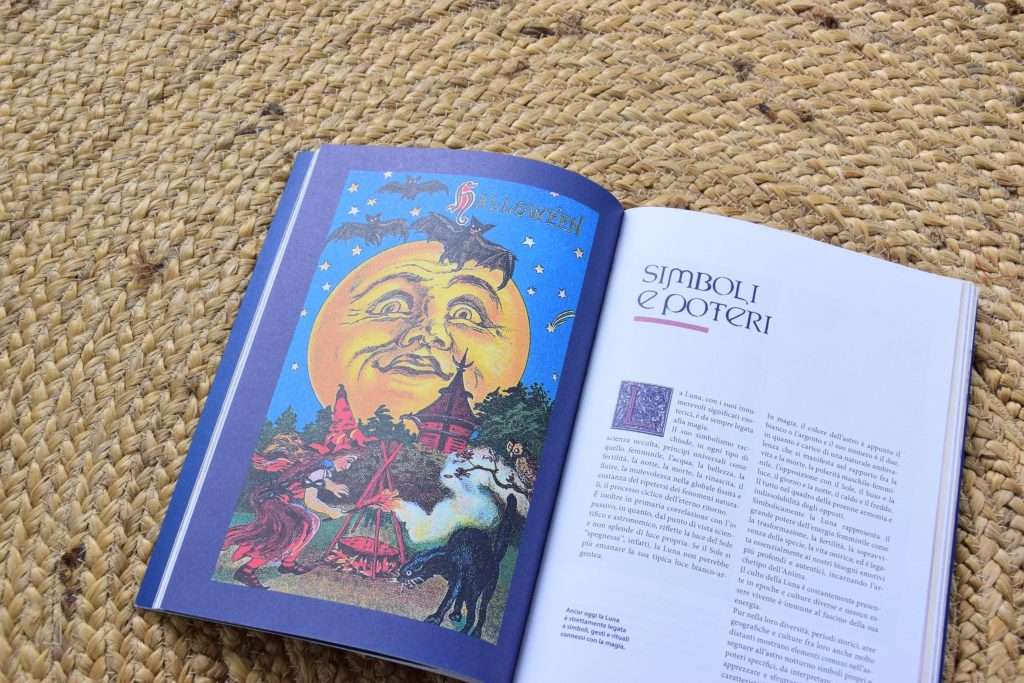
Why myth and folklore still matter
If you take away the magic and monsters, at their core myths and folktales are just stories about people: their hopes, fears, mistakes, and dreams. They deal with things we all face: love, sacrifice, betrayal, justice, change, and the search for meaning. No matter where someone’s from or when they lived, those themes are intrinsically human.
For writers, myth and folklore offer so much to work with. The characters, the drama, the big questions… They’ve lasted for a reason. There’s something heavy and inspiring about reworking stories that have shaped entire cultures and generations, and giving them a fresh spin that’s all your own. It’s both a challenge and an opportunity to make something timeless feel brand new.
Why writers should use mythology and folklore
Universal themes
Myths and folklore deal with universal ideas, like love, heroism, betrayal, and destiny. These are topics that most people understand, even if they live in different places or come from different cultures. A myth might show a hero facing huge challenges, yet readers can relate to how that hero feels scared, determined, or hopeful. Myths and folklore often highlight core truths, such as how people can be brave or selfish, and these truths still matter today.
Stories rooted in myth often explore the human condition. They have universal ideas like love, heroism, betrayal, destiny. A myth could show a hero facing a huge challenge, like fighting a dragon, which is something no one today would ever do, but a reader can still relate to the hero’s fear, determination, or hope.
Rich source material
When you use myths, you don’t have to start from scratch. You have plenty of characters, archetypes, and plots to build on. Think of the trickster, the wise mentor, or the ruler who craves power. Readers usually recognize these types of characters. So, when you use them, you create a familiar feeling. But that doesn’t mean you can’t be original. You can add new twists, such as switching a character’s point of view or updating the setting to a futuristic city.
Connecting with readers
People enjoy seeing references to mythology in modern stories. When they recognize a god, a monster, or a legendary place, they feel a spark of excitement. It’s like they’re sharing a secret with the writer.
For example, Neil Gaiman’s American Gods brings Norse gods, Egyptian gods, and others into modern society, letting readers see how ancient myths might look in today’s world. Rick Riordan does something similar with Greek myths in the Percy Jackson series, mixing the idea of gods and monsters with modern kids and schools. Both tap into myth to explore identity, belief, and belonging in ways that feel fresh and fun.
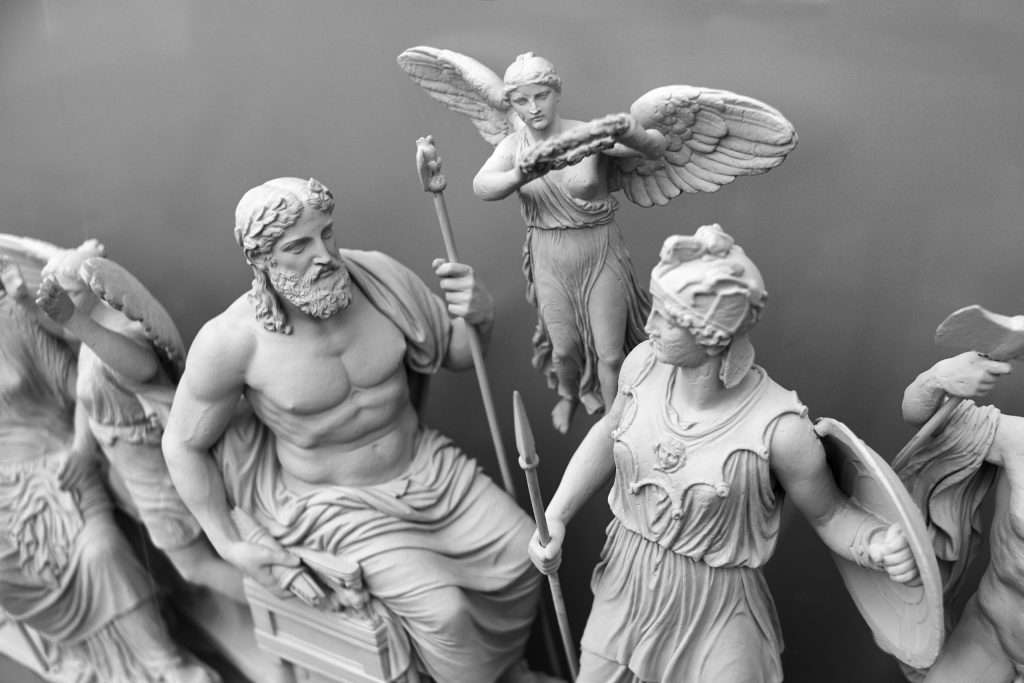
What kinds of myths and folklore can you use?
The beauty of mythology and folklore is that every culture has its own. You’re not limited to the well-known Greek or Norse legends (though those are great too). Here are just a few you can check out:
- Greek and Roman myths: Gods, heroes, and epic quests.
- Norse mythology: Ragnarok, runes, and warrior spirits.
- Egyptian tales: Magic, resurrection, and judgment in the afterlife.
- African folklore: Trickster animals, ancestral spirits, and moral fables.
- Chinese mythology: Dragons, immortals, and cosmic balance.
- Native American legends: Nature spirits, creation stories, and lessons through animals.
- Urban legends and fairy tales: Ghost stories, haunted objects, and moral warnings passed down through families or communities.
For example, Guillermo del Toro’s movie Pan’s Labyrinth uses Spanish folklore to tell a dark yet dreamy story set during a time of war. Folklore often reminds us that small details, like a hidden forest path or an old family saying, can hold deep secrets or lessons.
How to incorporate myth and folklore in fiction
Adaptation vs. inspiration
Some writers retell myths directly. For instance, Madeline Miller’s Circe follows a figure from Greek mythology but gives her a richer, more personal story.
Other writers don’t retell a specific myth. Instead, they take ideas from mythology and create something new. Leigh Bardugo’s Shadow and Bone has elements inspired by Russian folklore, but it builds a fantasy world with its own rules and history.
Both methods can work well, as long as you respect the source and make your story feel alive.
Modernization
What if gods lived among us today? What if mythological creatures had social media accounts? Think about how gods, fairies, or ghosts might react to cell phones, the internet, or busy city life. Bringing old tales into modern settings opens up humor, irony, and new kinds of conflict.
Neil Gaiman’s The Sandman drops timeless beings into modern problems, letting readers see how eternal figures would handle day-to-day issues. This style mixes the scale of mythology with the fast pace of the present world. It can be fun, but you’ll need to decide how much of today’s technology or trends make sense for your mythic characters.
Flip the story
Give readers a new angle. What if the villain wasn’t so bad? What if the damsel in distress rescued herself? Writers sometimes flip a myth to show a new viewpoint or correct an old bias.
Many myths focus on male heroes, while female characters stay in the background. Feminist retellings, like Genevieve Gornichec’s The Witch’s Heart, shift the spotlight to a female figure. Subversive stories can also give villains a chance to explain themselves, or show that a famous hero might have been flawed. This approach keeps readers guessing, and it can shine a light on parts of myth and folklore that were forgotten or ignored.

Blending cultures
Some authors combine gods, creatures, and legends from multiple cultures to create entire fantasy worlds. This can be a great way to explore cultural differences and similarities. But be careful not to mix myths in a way that feels random or disrespectful. Instead, try to understand each culture’s beliefs and stories. If you handle these elements with care, you can build a setting that’s both wide-ranging and meaningful.
What to watch out for
While mythology is rich with opportunity, it also comes with responsibility.
Cultural sensitivity and appropriation
When you borrow myths from a culture you’re not part of, do your research. Don’t just skim Wikipedia. Learn about the people who created these stories and why they did so. Show respect for their traditions. If you’re careless, it can seem like you’re just grabbing interesting ideas without caring about their real meaning. This can offend readers from that culture and lower the quality of your story.
Overcomplicating the plot
With so many myths and gods out there, you might want to include them all. But too many references can confuse your audience. If you keep introducing new deities or artifacts, readers might lose track of what matters. Use myths in ways that support your main plot. Focus on a few key characters or elements that strengthen your story’s central theme.
Example of a misstep
Some blockbuster movies throw lots of myths on screen, hoping to draw big audiences. But critics often say these films don’t dive deep enough. They just show cool characters without exploring the heart of the myths. This shows that it’s better to tell a strong story with well-chosen mythic details than to throw in dozens of gods without giving them depth.
Tips for writing with myth and folklore
- Start with a story that fascinates you: Think about a legend you love. What do you love about it? What could you change? Use that as a base, then brainstorm changes or twists that make it your own.
- Research, a lot: Read the original sources if you can, or at least good summaries. Look into historical backgrounds, cultural meanings, and lesser-known versions of the tale. Deep research often uncovers details that inspire fresh ideas.
- Build relatable characters: Even if your hero is a demigod, they should have real emotions and flaws. Myths are filled with gods who have human traits, like jealousy, love, and pride. Show these traits, so readers see a bit of themselves in your characters.
- Use myth as metaphor: Many myths explain forces of nature or big life lessons through symbols. You can do the same. For example, a storm at sea might stand for emotional turmoil, or a trickster spirit might reflect a character’s internal conflict. This adds layers to your story.
Myth done right: A few case studies
J.R.R. Tolkien
Tolkien studied old languages and myths, like Norse legends. He used them to create The Lord of the Rings and give Middle-earth a long history. Readers feel like they’re stepping into a real ancient world, which has helped keep these stories famous for decades.

N.K. Jemisin
Her Broken Earth trilogy uses myth-like elements to explore themes like oppression, identity, and survival. Jemisin’s worlds feel both familiar and new. She takes big, mythic ideas (such as the power of creation and destruction) and grounds them in characters who face real heartbreak and triumph.
Studio Ghibli
Films like Spirited Away and Princess Mononoke follow Japanese folklore. Spirits, gods, and magical creatures fill their worlds. Yet the characters deal with everyday emotions, like fear, courage, and the need to belong. This mix of legend and emotion creates a blend that people of all ages can enjoy.
Mythology and folklore are living traditions
Mythology and folklore have been with us for thousands of years, and they’re still a big part of storytelling today. They offer themes that speak to everyone, no matter their background. Myths can help you bring depth to your fiction, whether you retell a classic tale or adapt a small slice of folklore for your own plot.
Just remember to research carefully, respect the cultures you’re inspired by, and focus on characters that feel real. If you do it well, you’ll create stories that feel timeless.
So go ahead. Explore the legends, dig into the past, and have fun writing.