
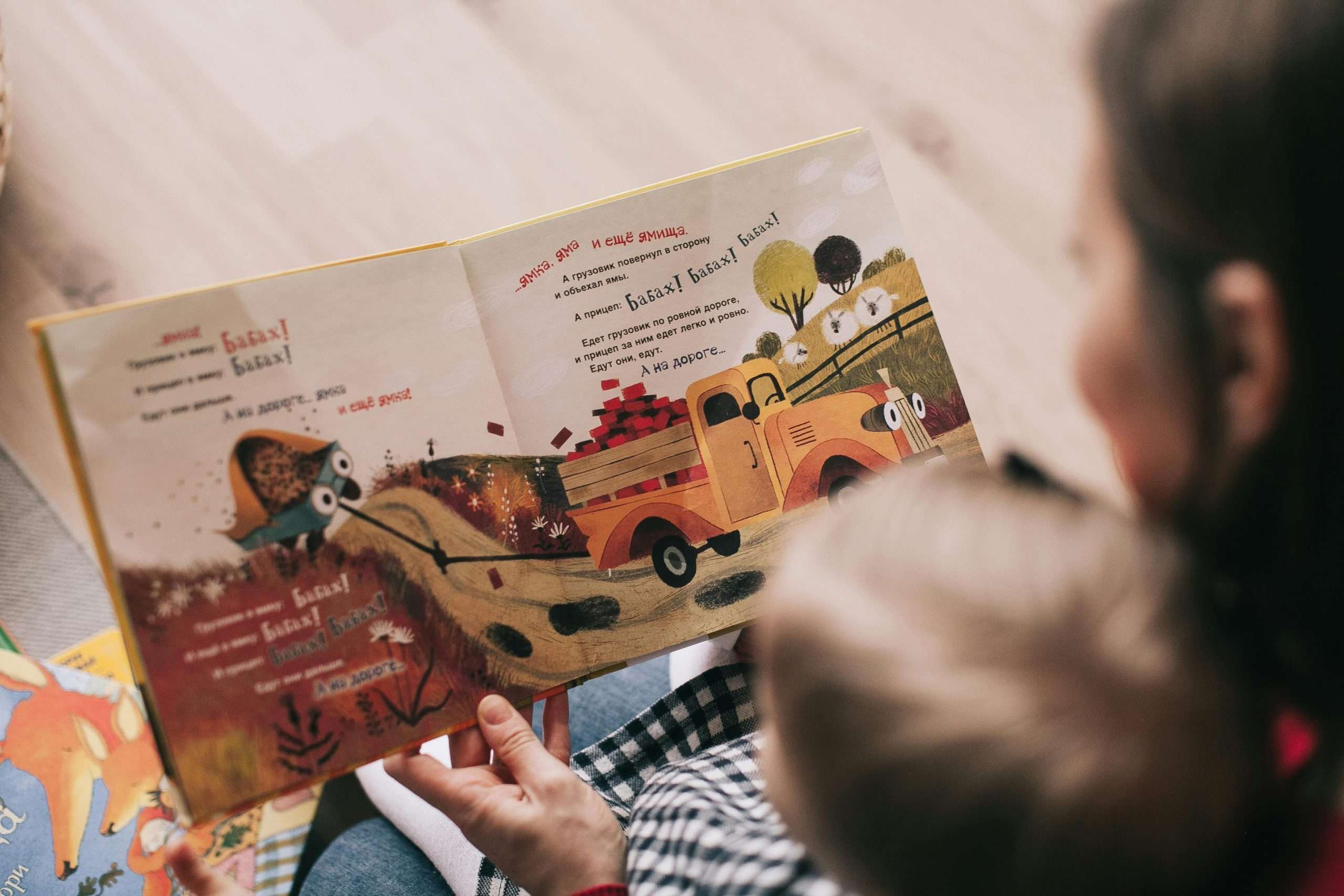
Books, like people, come in all shapes, sizes, and experiences. Because there is so much variance, books are typically organized into categories based on the age and interests of their audience. These categories are designed to grow up with each reader, from bright picture books for little ones to introspective novels for adults.
As a writer, it’s important that you understand the boundaries of these categories. Doing so ensures you know what your reader wants and how to include it.
Here’s a breakdown of each reader category, including common themes and popular examples.
Picture books: the building blocks of reading
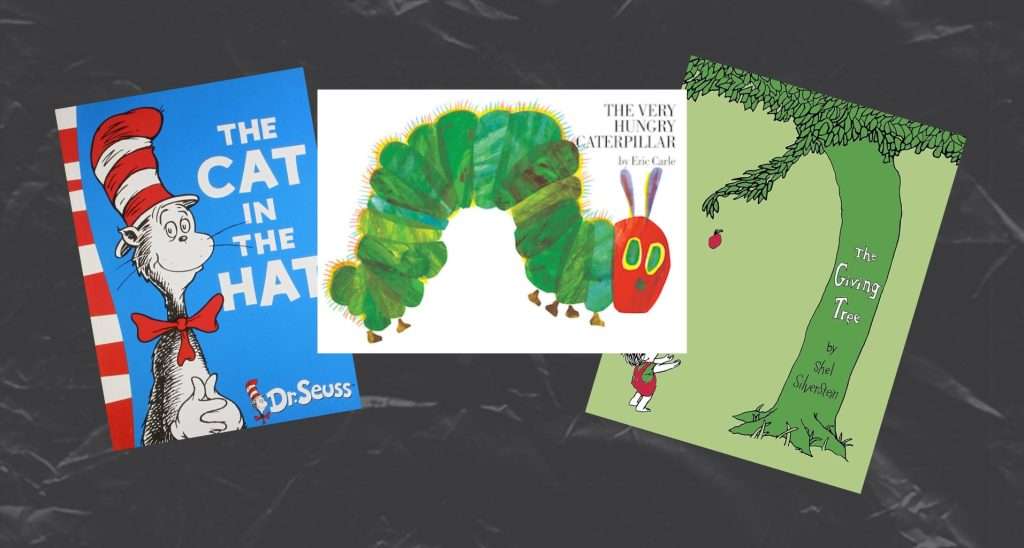
Picture books are intended to be read by adults to the youngest readers, typically between ages 2 to 6, or from preschool to first grade. They often use as little as 50 to 1,000 words per book, instead relying on vibrant illustrations to convey their stories. You may be familiar with popular picture books like Dr. Seuss’ The Cat in the Hat, Eric Carle’s The Very Hungry Caterpillar, or Shel Silverstein’s The Giving Tree. Because these books are frequently read aloud by an adult, they create bonding experiences and opportunities for young children to begin developing emotional intelligence.
Their primary purpose is to introduce little ones to reading and to basic concepts about the world in a way that’s both engaging and easy to grasp. Picture book themes focus on life lessons and morals, typically revolving around topics like friendship, family, empathy, and kindness.
Early reader: first steps in independent reading
Also known as Beginning/Emerging/Easy Reader, this category is intended for readers aged 5 to 9, typically in first through third grade. For many kids, these books are their first attempt at reading on their own. Because of this, early reader plots are sometimes even simpler than picture books. The language and word choice are restricted by specific reading levels to ensure the audience can read it well, and the writing depends on a lot of action and dialog to keep readers entertained. These books may have a lot of illustrations, but they are not necessary to understand the story.
Ranging from 200 to 1,500 words, early readers include either animal friends as characters or human characters aged 6 to 8. Themes are generally light-hearted and focus on common childhood experiences like making friends. Heavier topics focus on childhood struggles like feeling left out or welcoming a new sibling.
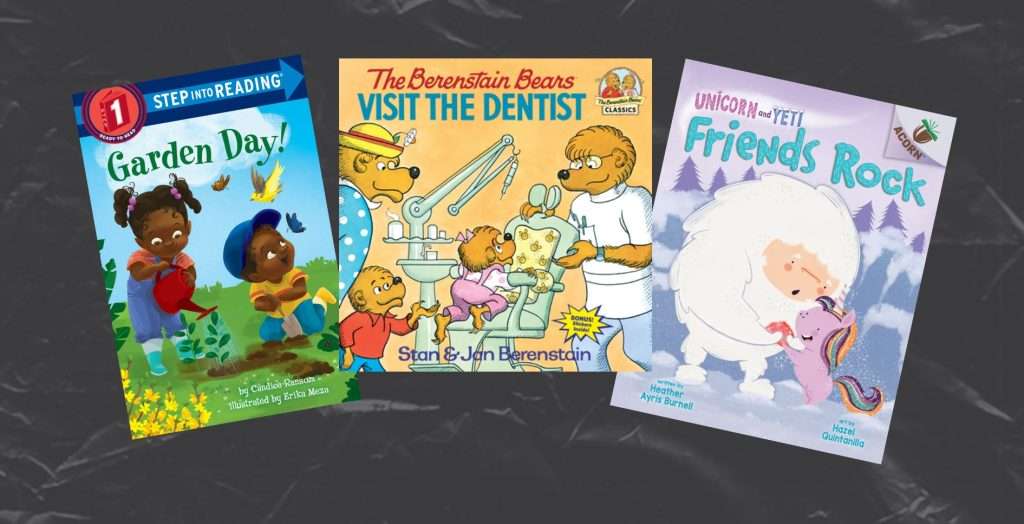
Some popular series in this category include The Berenstain Bears by Stan, Jan, and Mike Berenstain, Garden Day! By Candice Ransom, and Unicorn and Yeti by Heather Ayris Burnell.

Chapter books: bite-sized adventure
Chapter books aim to provide kids aged 6 to 10 with bigger adventures and higher stakes. These stakes are still small in comparison to books in older reader categories, but they are made to feel big to give readers an early taste of suspense and excitement. The problems kids face at these ages are some of the first problems they’ve faced in their lives, so they do feel big and sometimes scary. Finding similar importance within stories makes them feel relatable. For that same reason, the characters are usually between the ages of 6 to 8.
At 4,000 to 15,000 words, these books introduce kids to slightly more complex language and longer narratives, which are divided into chapters for an easier reading experience. Themes often revolve around emotions, courage, honesty, teamwork, imagination, friendships, and accepting differences.
Series are popular in chapter books because children like to follow the same characters through multiple scenarios. This is also the age when kids build voracious reading habits, so series have a lot of potential. Think of books like Junie B. Jones by Barabara Park, Timmy Failure by Stephan Pastis, and Magic Tree House by Mary Pope Osborne.
Middle grade: adventure, growing up, and belonging
Middle grade (MG) books are split into two subcategories – lower and upper – which are meant for kids aged 8-12. Characters here are 9-13 (remember, readers tend to read up or about characters slightly older than themselves) and handle conflicts revolving around a sense of belonging, wider awareness of the world, school experiences, first crushes, bodily changes, and the challenges in family dynamics.
These books span from 20,000 to 60,00 words – typically, lower MG (for younger readers within this age group) has a shorter word count than upper MG. They depend heavily on humor, adventure, and action. Lower MG features characters who face conflict while depending on their support system, while upper MG tends to show characters who venture away from their family unit for the first time while facing big stakes. The narratives include very little introspection because, at this point, kids haven’t learned to sit and think about how they’re feeling – they respond to their environments.
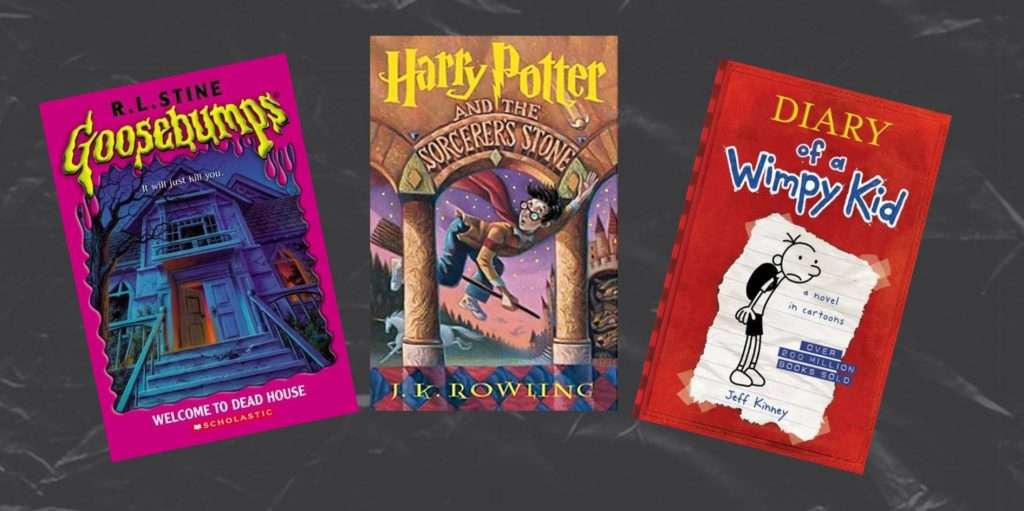
Top books in this category include Goosebumps by R. L. Stine, Harry Potter by J. K. Rowling, and Diary of a Wimpy Kid by Jeff Kinney.
Young adult: embracing change and exploring identity
YA books act as a transition into adult fiction. They’re usually written in first person or close third person so readers can get to know the characters through their thoughts and feelings. They range from 40,000 to 80,000 words (unless they’re fantasy, of course. Those go into the 100,000s). They feature teenage characters grappling with complex themes like identity, first love, social issues and expectations, and sex and sexuality. Difficult or mature themes like racism, injustice, and drug use are brought up but tackled in less graphic ways than in New Adult or Adult books.
YA is a raw category – this age group (12-18) is particularly introspective and angsty, and depends on authentic, emotional stories. In these books, characters are often different from the reader, exposing them to new worldviews, and work through personal problems and responsibilities as the plot progresses.
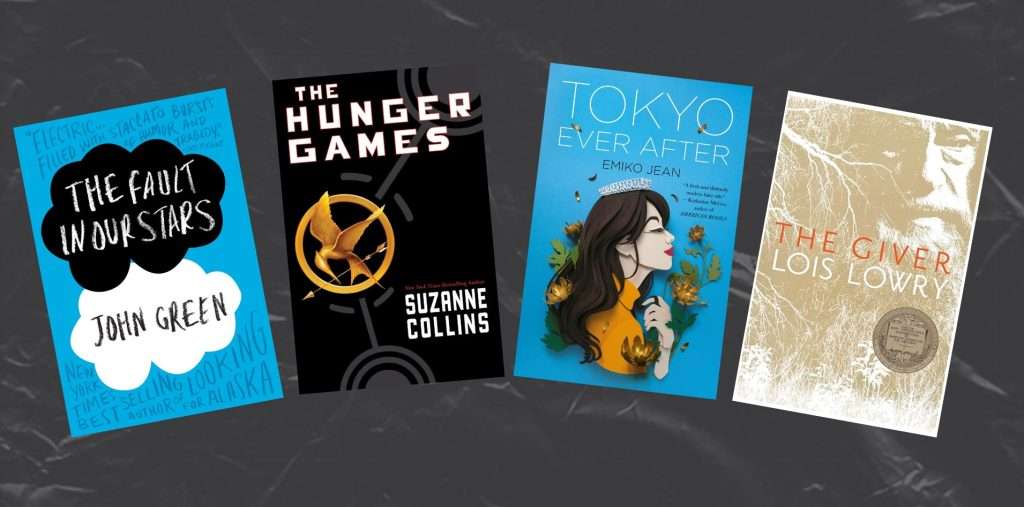
If you want to explore YA literature, read books like The Fault in Our Stars by John Green, Tokyo Ever After by Emiko Jean, The Hunger Games by Suzanne Collins, or The Giver by Lois Lowry.
New Adult: transition to adulthood
New Adult (NA) is still a relatively new category for books. It’s popular in self-publishing to identify a specific audience – those between 18 and 30 who want something more mature than YA but more relatable than Adult books – but many traditional publishers still don’t have an official placement for them. Instead, they’ll shelf NA books at the older end of YA or the younger end of Adult.
NA themes center around the experience of growing older and the responsibilities that entails. While reading, you’ll come across topics like leaving home for the first time, studying through higher education, entering the workforce, mental health, emotional growth, self-discovery, sexuality and gender, and the ups and downs of navigating romantic, platonic, and familial relationships. These books contain more mature and graphic content than YA, such as swearing, drugs, sex, and violence. The most popular genres in this category are romance, contemporary, and fantasy.
Romance takes the obvious lead in readership numbers, though, which has not always been good for NA’s reputation. There are some misconceptions that NA is just YA with smut, as opposed to mature books featuring older characters and age-appropriate situations. This can sometimes make it difficult to market NA effectively.
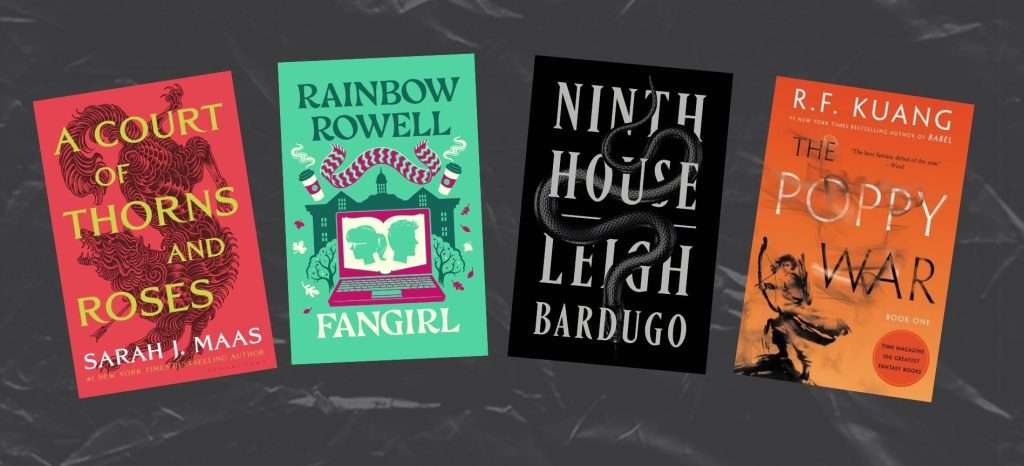
Even so, NA is still gaining steady readership. Popular books include A Court of Thorns and Roses by Sarah J. Maas, Fangirl by Rainbow Rowell, Ninth House by Alex Stern, and The Poppy War by R. F. Kuang.
Adult: broader perspectives
For readers aged 18 or older, Adult books cover intricate narratives that resonate with real-world experiences, from love, loss, and self-acceptance to career struggles, parenthood, and societal concerns. Relationships focus on finding “the one” to spend a lifetime with, rather than first love in YA. These books are usually 70,000 – 120,000 words but could be longer.
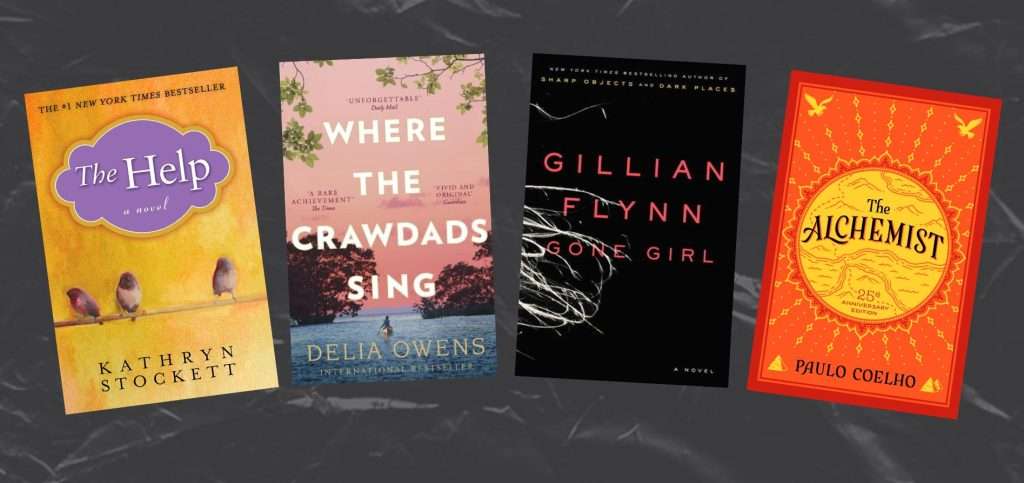
Well-known examples include Gone Girl by Gillian Flynn, The Alchemist by Paulo Coelho, The Help by Kathryn Stockett, and Where the Crawdads Sing by Delia Owens.
***
Each reader category in literature serves as a stepping stone to the next. They meet the audience where it’s at developmentally, emotionally, and intellectually to offer them stories that are engaging and entertaining. As a writer, it’s important to familiarize yourself with the categories you work in so that you can provide your readers with what they want and need.