

Emotional stakes are what lead up to those gut-punch moments in a story that make readers care about what’s going on. If you’re new to writing or stuck on a draft that’s just not clicking, this is where you can fix it.
Stakes aren’t just about someone getting chased by a bear. They’re about what’s at risk on a deeper level – personal dreams, relationships, or moral lines that hurt to cross. Think about it: A hero dodging bullets is exciting, but what if those bullets mean losing the chance to reconcile with a dying parent? Or betraying a lifelong friend? That’s the shift from “oh no, explosions” to “oof, this hurts.”
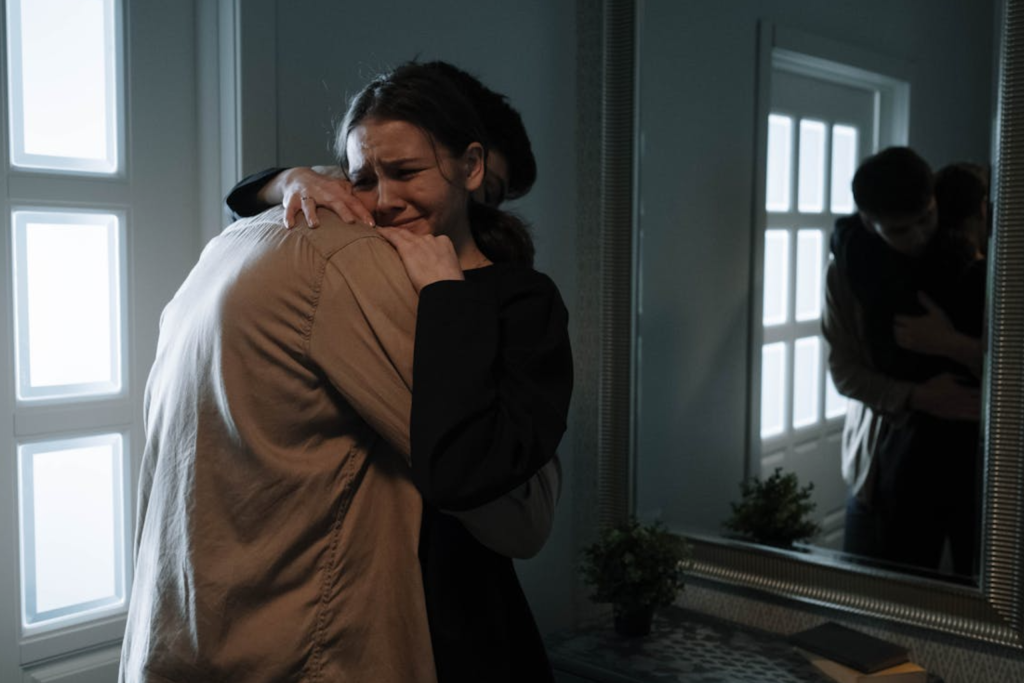
Low stakes vs. high stakes: Knowing when to dial it up (or down)
Stakes aren’t one-size-fits-all. Low stakes are the small, everyday tensions that build character and world without overwhelming the reader early on. They’re subtle, like a minor argument or a small failure, and they’re great for setup. High stakes crank it to eleven. Those are the life-altering consequences that force characters to make tough choices.
Take To Kill a Mockingbird. Early on, the stakes are low when Scout deals with schoolyard bullies or her dad’s quiet lessons on empathy. It’s not the end of the world; it’s personal growth stuff that lets us get to know her.
But then the story shifts gears. Atticus takes on Tom Robinso’s case and risks his family’s safety, his reputation in a racist town, and Scout’s innocence. Low stakes hook you in gently; high stakes make you sweat.
Use low stakes early, in act one, to show who your characters are. This is where you establish norms and make characters relatable. If you start high stakes too soon, your story feels exhausting, like a movie that starts at its climax.
High stakes work best in acts two and three, when the tension’s supposed to peak. In The Fault in Our Stars, Hazel and Gus’s relationship starts with low emotional stakes (flirty banter at a support group). But as their illnesses start closing in, the stakes skyrocket. Loving someone means facing inevitable loss, questioning life’s meaning, and grappling with how to leave a mark. It’s not just about dying. It’s the devastation of unfinished dreams and broken hearts.
Here’s the deal
Low stakes make characters relatable by showing their flaws or small struggles. High stakes test what they’re made of. Say your character wants a better job. Low stakes could be dealing with a jerk boss who undermines their confidence. High stakes? That job means choosing between financial security and covering up something shady, which could wreck their self-respect. Match the stakes to your genre (romance leans on relationships, thrillers might hit moral dilemmas) but always tie them to what your character cares about most.
Making threats personal: Make it hurt where it counts
Here’s where a lot of new writers trip: Stakes feel generic if they’re not tied to the character’s specific goals, values, or relationships. Personalize threats by digging into what your protagonist stands to lose on an intimate level.
Technique 1: Tie it to their core values.
In To Kill a Mockingbird, Atticus lives for integrity. The threat isn’t just losing the case; it’s compromising his belief in justice, which would erode his role as a father figure.
Ask: What principle does your character hold dear? What is non-negotiable for them? Threaten it indirectly at first (maybe a white lie) then escalate to something that could shatter it.
Technique 2: Relational fallout.
People care about people. In The Fault in Our Stars, Hazel’s not just scared of dying; she’s terrified of the pain it’ll cause her parents or Gus. Build this by showing connections early (shared jokes, vulnerabilities) then put them under pressure. F
In your story, think: Who matters to your character? How can the plot strain those bonds? A hero saving the world is fine, but if it means cutting ties with a best friend, that’s what sticks.
Technique 3: Internal conflicts.
The best stakes force tough choices, especially when characters realize everything isn’t black and white. Scout sees racism not just as wrong, but as something that poisons her town and challenges what her dad taught her.
Give your character a backstory or flaw that makes the threat personal. If a former addict is tempted to relapse, the stake isn’t just getting high, it’s losing the trust they’ve rebuilt.
Example: Suppose your character is stuck in a dead-end job. Don’t just make it about getting fired. Personalize it.
Low stakes: The job’s killing their creativity, something they value.
High stakes: Quitting means letting down a mentor who stuck their neck out, or maybe it forces them to leave colleagues in a bad spot, which stings morally.
That’s how you layer tension – physical (money problems), but emotional (guilt, betrayal).

Building stakes over time
Good stories aren’t static. Stakes should evolve. Start low in act one to introduce the world, build in act two with complications, and peak in act three for resolution (or tragedy).
In The Fault in Our Stars, act one: Hazel meets Gus (stakes are emotional curiosity, mild relational risk).
Act two: Their trip to Amsterdam deepens bonds, but revelations about Gus’ health ramp it up (now it’s about mutual vulnerability and impending loss).
Act three: The full weight hits with moral questions on suffering and legacy. It’s progressive: Each step makes the emotional cost heavier.
How to do it: Outline your acts.
Act one: Establish baseline stakes (e.g., a character’s dissatisfaction).
Act two: Introduce complications that personalize threats (e.g., a decision that strains values or relationships).
Act three: Bring it all together (force a choice where everything’s on the line).
Foreshadow the big stuff early without giving it away. Check your scenes. Are they ramping up logically? If not, readers will disengage.
Common errors: Avoid flat stakes
Even experienced writers mess this up. The biggest pitfall to watch out for is inconsistent escalation. That’s when you build tension, then drop it with a convenient fix, like a random hero showing up. It kills readers’ investment and risks making the threat feel arbitrary, not rooted in who the character is.
Another issue is over-relying on physical danger. A car chase is intense, but without emotional tie-in, they’re forgettable. Other pitfalls include high stakes too soon, so there is no room to grow, or adding stakes that don’t fit the story’s tone (like heavy moral dilemmas in a fluffy comedy).
To fix this, stop mid-draft and ask yourself, “Does this threat matter to this specific character? Is the buildup smooth and earned, or are there weird jumps?”

Hands-on fixes: Tools to level up your draft
Time to get practical. Here’s a checklist to audit stakes in your draft:
- Character inventory: List each main character’s goals, values, and key relationships. For every major scene, note what stake is threatened and why it hurts personally.
- Stakes scale: Rate scenes 1-10 on emotional intensity. Plot them (Does it trend upward? Are there flat spots?).
- Threat types: Tally physical vs. emotional stakes (personal/relational/moral). Aim for balance, but emotional should take the lead (especially later in the story).
- Reader investment check: For each act, ask: Why should readers care? If it’s just plot, add emotional depth.
- Consistency scan: Trace how stakes grow. Does it build logically? No jumps or drops?
Now, try these prompts to boost stakes in short scenes. Pick a stagnant scene and rewrite with these
- Personal twist: What if this choice forces the character to betray a core value? Rewrite the dialogue to show internal conflict.
- Relationship strain: Bring in someone your character cares about. How does the threat affect them? Add a confrontation.
- Moral dilemma: Making the “right’” choice cost something irreplaceable. Describe the character’s hesitation.
- Escalation test: Start with low stakes (e.g., annoyance), then layer in high (e.g., permanent loss). Compare the two versions.
Pick a 500-word scene that feels flat and rewrite it with one of these. You’ll see how emotional stakes turn it into something readers can’t ignore.
Emotional stakes are what make stories stick. They’re not some mystical trick… just a matter of knowing your characters and making their struggles hurt. If your draft’s stuck, start here.