
Fairy tales are often introduced as harmless stories for children. But their reach is much wider than that. They stick in our thoughts long after the story’s over, teaching us lessons about who gets rewarded, who has to suffer quietly, and what kind of power is allowed.
Women’s History Month offers a natural opportunity to look at these stories more closely. Not to discard them entirely, but to ask better questions of them. Why does virtue so often look like silence? Why is transformation tied to beauty? Why does the story end at marriage?
Feminist fairy tale retellings don’t exist to strip stories of wonder. They exist to expand it. And they can take many forms, from simple reimaginings to complex, layered explorations of gender, identity, and power.
Where you start depends on where you are as a writer.
Why fairy tales are ripe for feminist retelling
Fairy tales are cultural shorthand. Most readers already know the basic structure of stories like Cinderella, Sleeping Beauty, or Little Red Riding Hood. That familiarity gives you room to subvert expectations without losing the audience.
They’re also stories built on extremes: absolute good and evil, rigid roles, clear rewards and punishments. Feminist retellings thrive in those spaces because they question the rules the original stories take for granted.
At their best, these retellings don’t just “fix” a story. They examine why the original needed fixing in the first place.
For beginners: Start with the skeleton of the story
If you’re new to retellings, the easiest place to begin is structure. Fairy tales are simple by design, which makes them excellent learning tools.
Start by identifying the core elements:
- Who is the protagonist?
- What does she want?
- What stands in her way?
- How does the story define success?
Once those pieces are clear, you can begin shifting them.
Reimagining Cinderella without losing the plot
Cinderella is often one of the first fairy tales writers revisit, and for good reason. Its themes (labor, visibility, transformation) translate easily into feminist questions.
Begin with basic changes:
- What if Cinderella’s goal isn’t escape through marriage, but autonomy?
- What if the ball is an opportunity for public recognition rather than romantic rescue?
- What if the “happy ending” is financial independence, community support, or self-defined success?
You don’t need to dismantle everything at once. A beginner retelling might keep the familiar beats but change the meaning behind them.
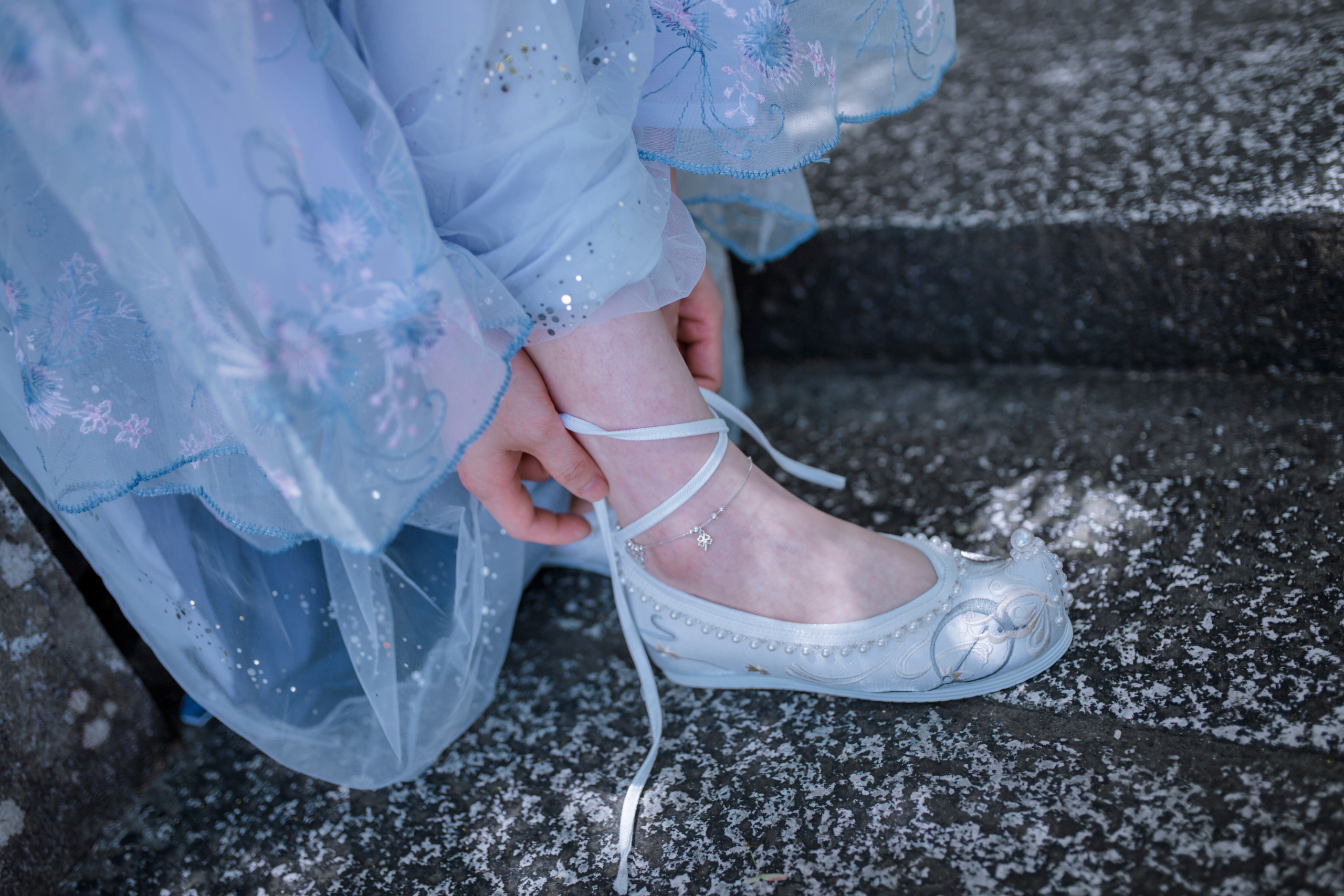
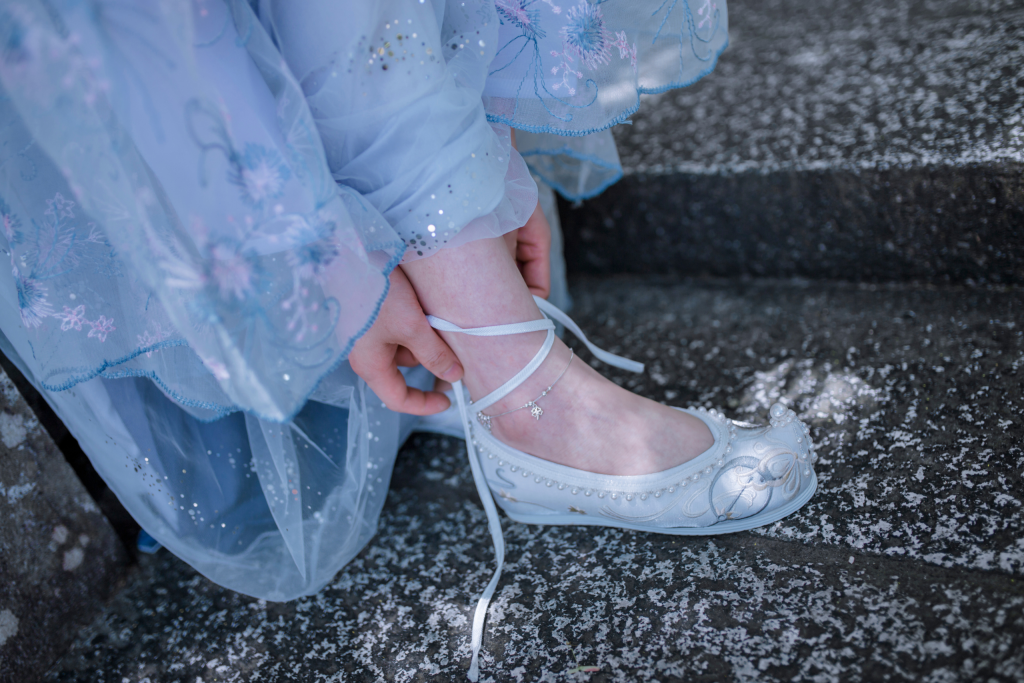
The glass slipper doesn’t have to symbolize fragility. It could represent surveillance, class restriction, or even a system designed to exclude most people by default.
Empowerment doesn’t have to mean perfection
One common pitfall in early feminist retellings is replacing a passive heroine with a flawless one, where strength becomes stoicism and independence becomes emotional isolation.
Empowered characters still struggle. They make compromises. They get angry, scared, and uncertain.
A feminist retelling doesn’t require a character who always knows what to do. It asks for a character whose choices matter… and whose story doesn’t end once she’s chosen.
Reframing villains and secondary women
Fairy tales are notorious for pitting women against each other. Stepmothers, witches, and jealous queens often exist as warnings rather than people.
Beginner retellings can explore these dynamics without fully rewriting the world:
- What pressures shaped the stepmother’s cruelty?
- What does the witch gain or lose by living outside society?
- What systems reward rivalry instead of solidarity?
These shifts add complexity and depth without requiring advanced structural changes. They also help move the story away from simplistic morality.
For experienced writers: Moving into intersectional retellings
Once you’re comfortable reshaping structure and character, feminist retellings can grow more layered. Intersectional feminism recognizes that gender never exists alone. Race, class, disability, sexuality, and culture all shape how power operates.
Fairy tales, with their rigid norms, are especially useful for exploring these intersections.
Adding disability perspectives to folklore
Traditional fairy tales often frame disability as either punishment or something to be magically cured. Feminist retellings can challenge that assumption.
Instead of treating disability as a problem to solve, consider:
- How does the world of the story create barriers?
- What adaptations does the character already use?
- Who benefits from defining “normal” in this setting?
For example, a Sleeping Beauty retelling might shift focus from the curse itself to the lack of consent surrounding her long sleep. The story could examine who controls her body, her time, and her future, without framing her condition as something that must be erased for the ending to be happy.

Queer readings and reclaimed desire
Many fairy tales are already filled with coded queerness, like hidden identities, transformations, forbidden knowledge. Feminist retellings can bring those elements into the open.
This doesn’t always require changing the plot entirely. Sometimes it’s about changing the lens:
- What if true love isn’t romantic, but chosen family?
- What if transformation reveals desire rather than correcting it?
- What if the “monster” is simply someone refusing compulsory norms?
Queer retellings often focus less on resolution and more on becoming. The ending doesn’t have to close every door. It just needs to make space.
Interrogating power, not just gender
More advanced retellings often move beyond individual empowerment and into systems. Ask questions like:
- Who holds authority in this world, and why?
- What happens to those who don’t fit neatly into the story’s moral categories?
- How does tradition protect some people while harming others?
A feminist retelling doesn’t have to offer neat answers. Sometimes its strength lies in refusing closure, especially when the original story tied happiness to conformity.
Language, tone, and respect for the source
As retellings grow more complex, tone becomes increasingly important. Fairy tales are deceptively simple, but they carry deep cultural weight. Respecting the source doesn’t mean preserving outdated values. It means understanding what the story meant to the people who told it, and why it endured.
This awareness helps avoid retellings that feel shallow or purely corrective. Feminist revisions work best when they feel like conversations with the past, not lectures aimed at it.
Knowing when to break the story entirely
At some point, a retelling may drift so far from the original that it becomes something new. That isn’t a failure. In fact, many of the strongest feminist fairy tales no longer resemble their origins on the surface. What remains is the emotional core: longing, survival, transformation.
If the old structure can’t support the story you’re telling, it’s allowed to collapse. Fairy tales themselves have always changed with the people who tell them.

Why feminist retellings are still relevant
Fairy tales teach us what to expect from the world before we know how to question it. Feminist retellings remind readers that history, myth, and tradition are not fixed. They are rewritten every time someone tells the story again.
During Women’s History Month, revisiting fairy tales allows us to recognize how far storytelling has come, and how much room it still has to grow.
Whether you start with a simple outline or a deeply intersectional reimagining, feminist fairy tale retellings invite you to do one essential thing: look at the story you were given, and decide what it could become instead.